Agrivoltaics as a Method for Critical Ecosystem Preservation: Introducing
Exploring how utility-scale solar can enhance native ecosystems through thoughtful design.
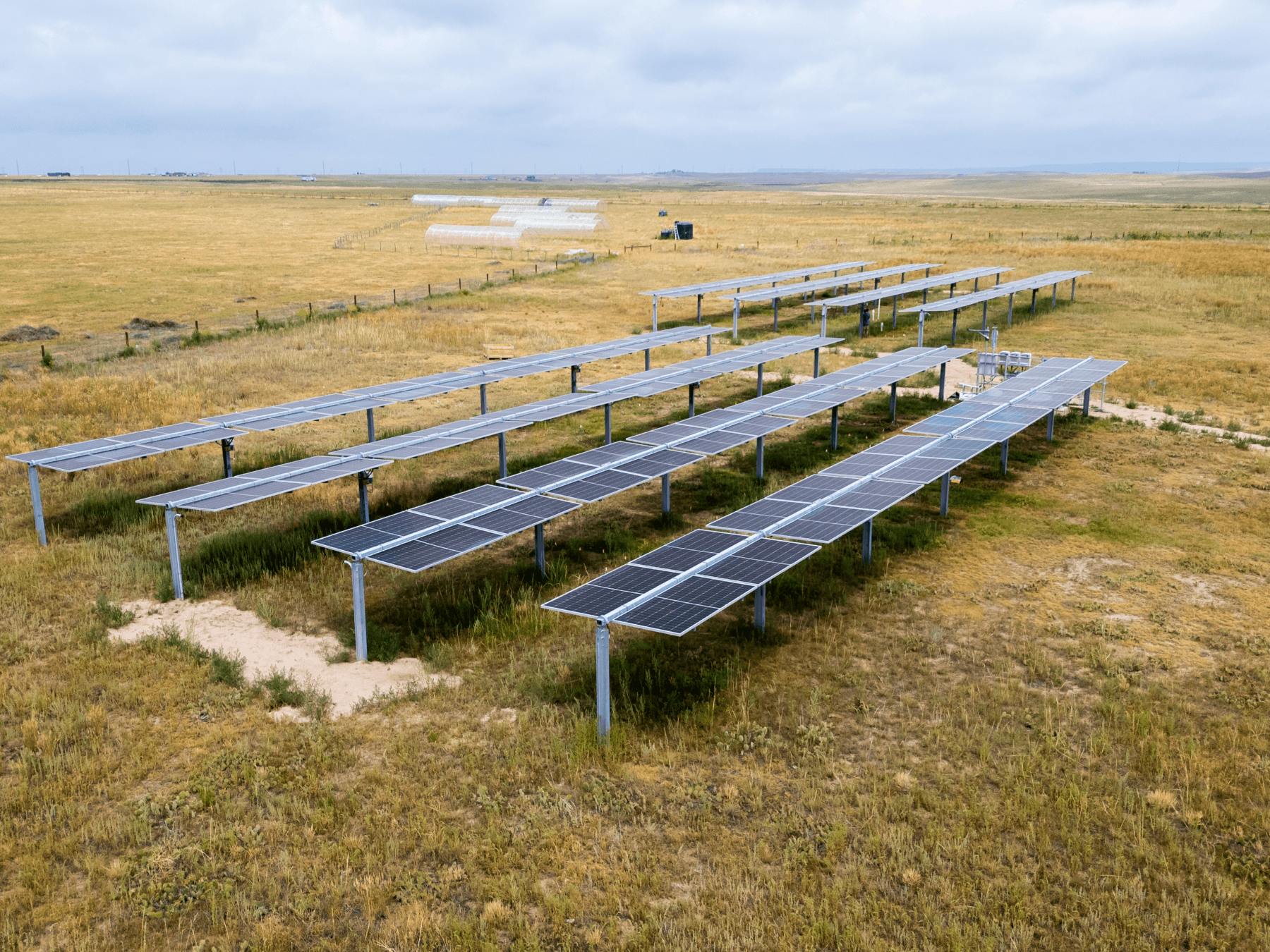
Large-scale solar facilities, often referred to as utility-scale solar farms, utilize photovoltaic technologies to harvest and capture photons from sunlight to convert into clean electricity. The production of renewable energy while eliminating the emission of carbon is essential for our transition to a cleaner and more sustainable world.
At first glance this seems like an ideal solution, a reliable source of energy, without compromising our planet's longevity and diversity. Even better, it's working. In 2010, 10% of new electricity generation came from solar, now in 2025, 56% of the U.S.'s annual additions of new electricity generation came from solar (SEIA & Wood Mackenzie, 2025). Proof that the solar industry is growing and will continue to do so.
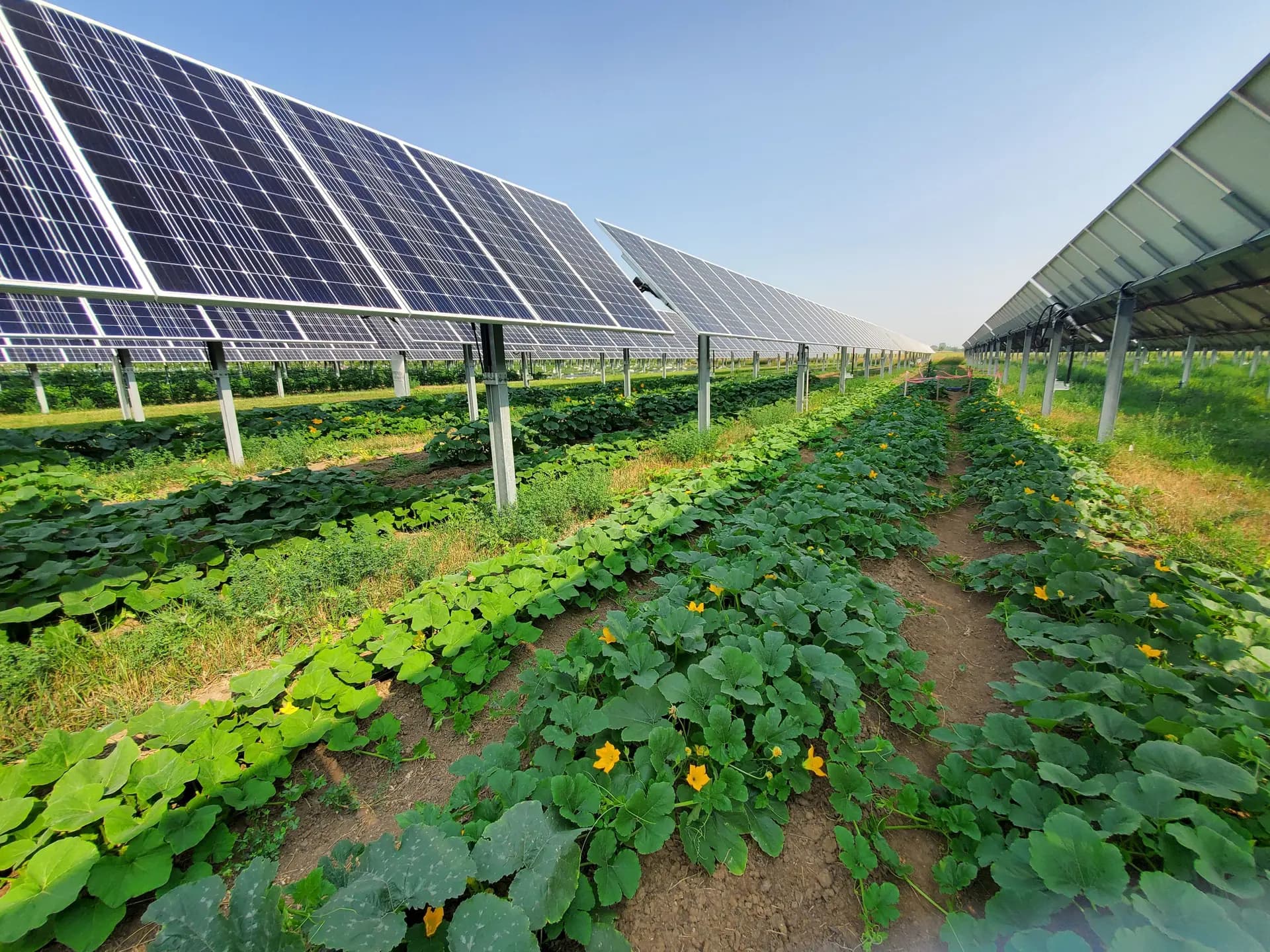
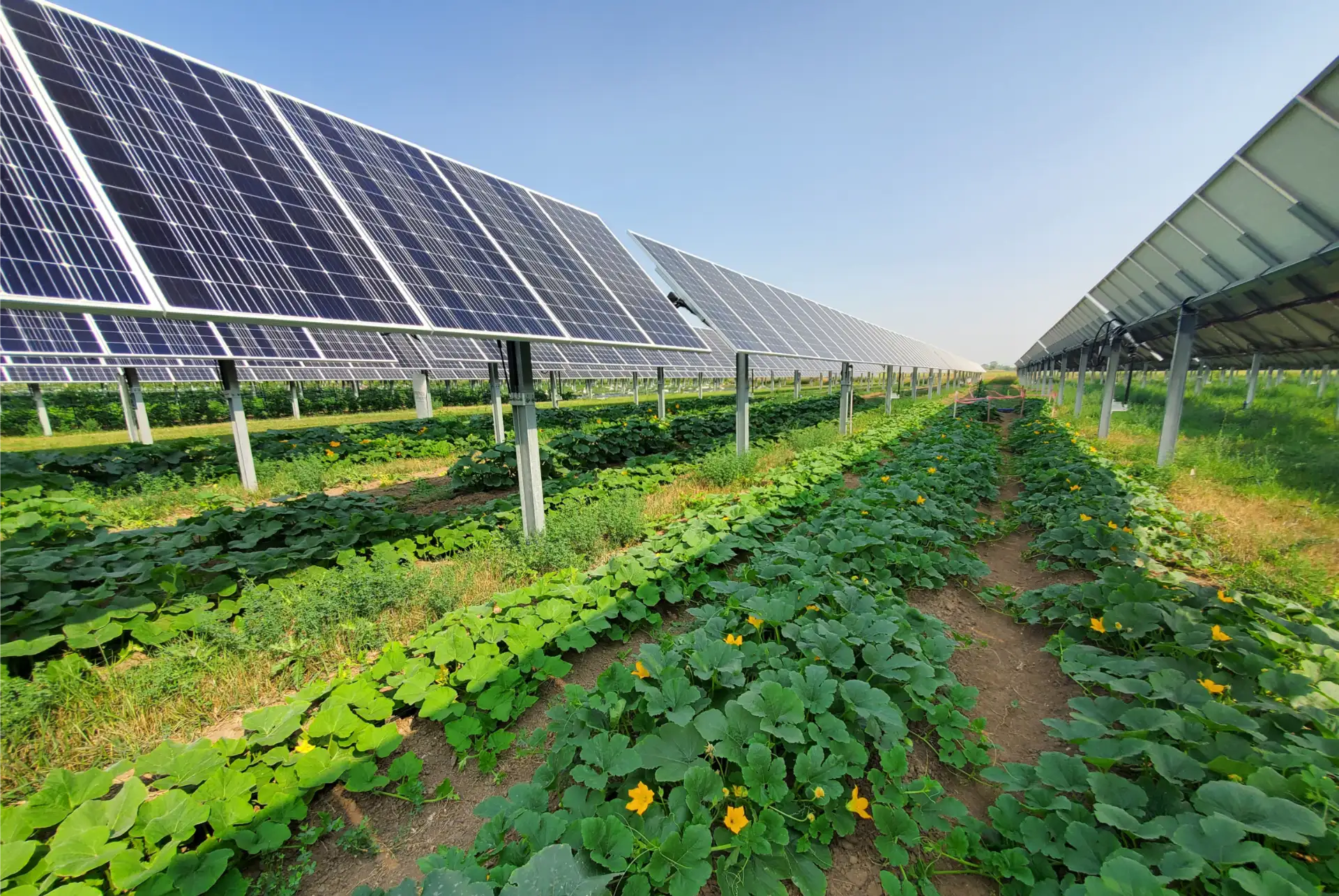
Now here's the problem, solar development favors flat, cleared, and sunny land; the same characteristics that constitute ideal farm land. As such solar development has naturally moved into agriculturally important regions across the U.S. Some developers are tackling this challenge through the use of agrivoltaics. But all are not taking this avenue. Ecovoltaics the co-production of renewable energy and the enhancement of ecosystem services provides an easy entry for solar developers to responsibly construct solar arrays. This strategy aims to prevent the destructive side effects of solar development such as soil compaction, vegetation loss, and ecosystem fragmentation.
In an effort to better understand how utility-scale solar development can positively impact local ecology, Sandbox Solar + teamed up with Colorado State University's graduate program in Ecology to research the effects of solar expansion into American grassland ecosystems.
Introducing the Semi-Arid Grasslands Research Center
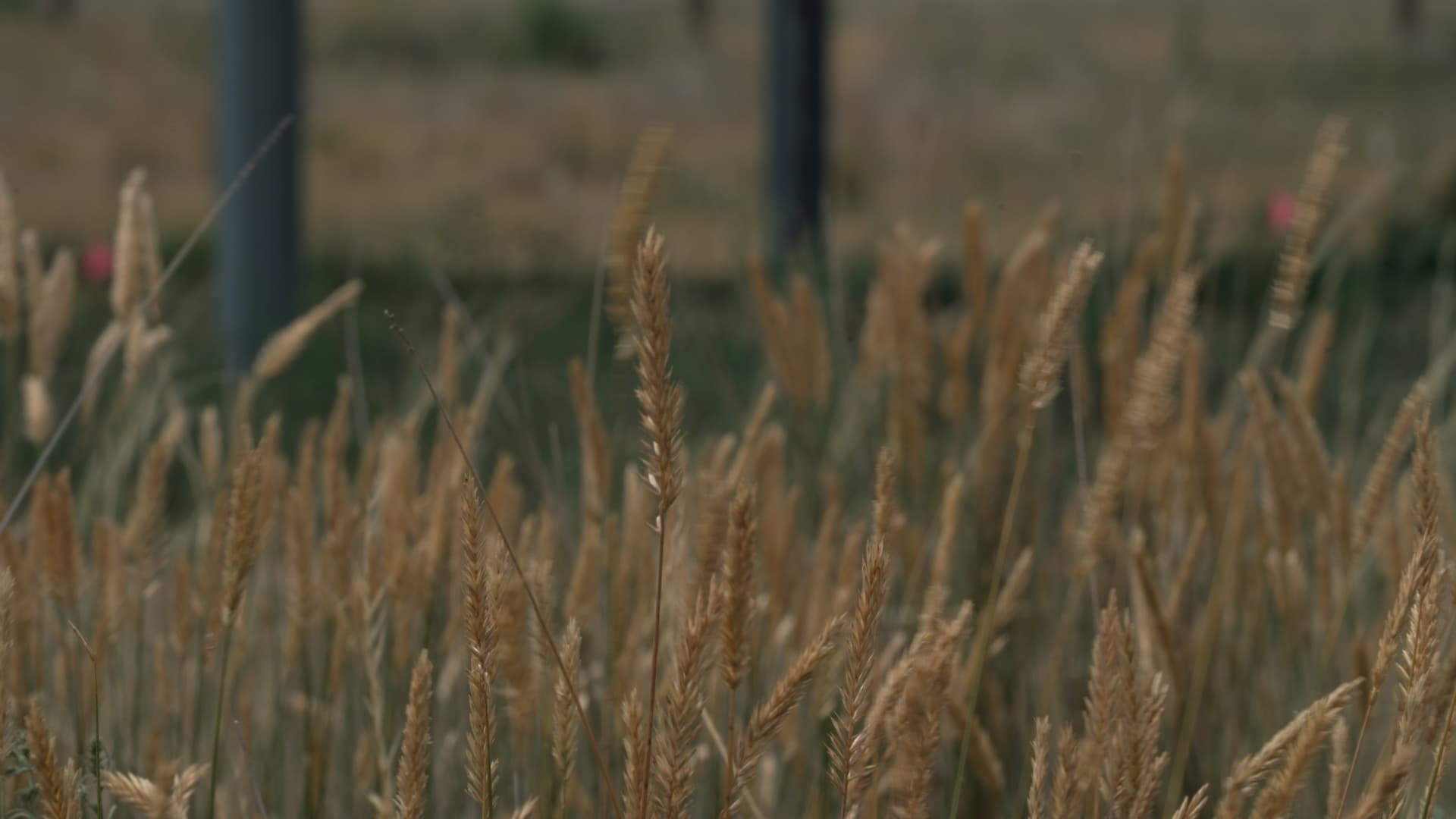
The Semi-Arid Grasslands Research Center (SGRC), is a collaborative effort between Colorado State University and the USDA Agricultural Research Center. Situated underneath the big sky in north eastern Colorado surrounded by vast short grass prairie ecosystems. Evoking the transition from America's underappreciated grasslands to the notorious Rocky Mountains rising in the west. This land is home to an abundance of biodiversity while also storing immense amounts of carbon, an ecosystem worth preserving.
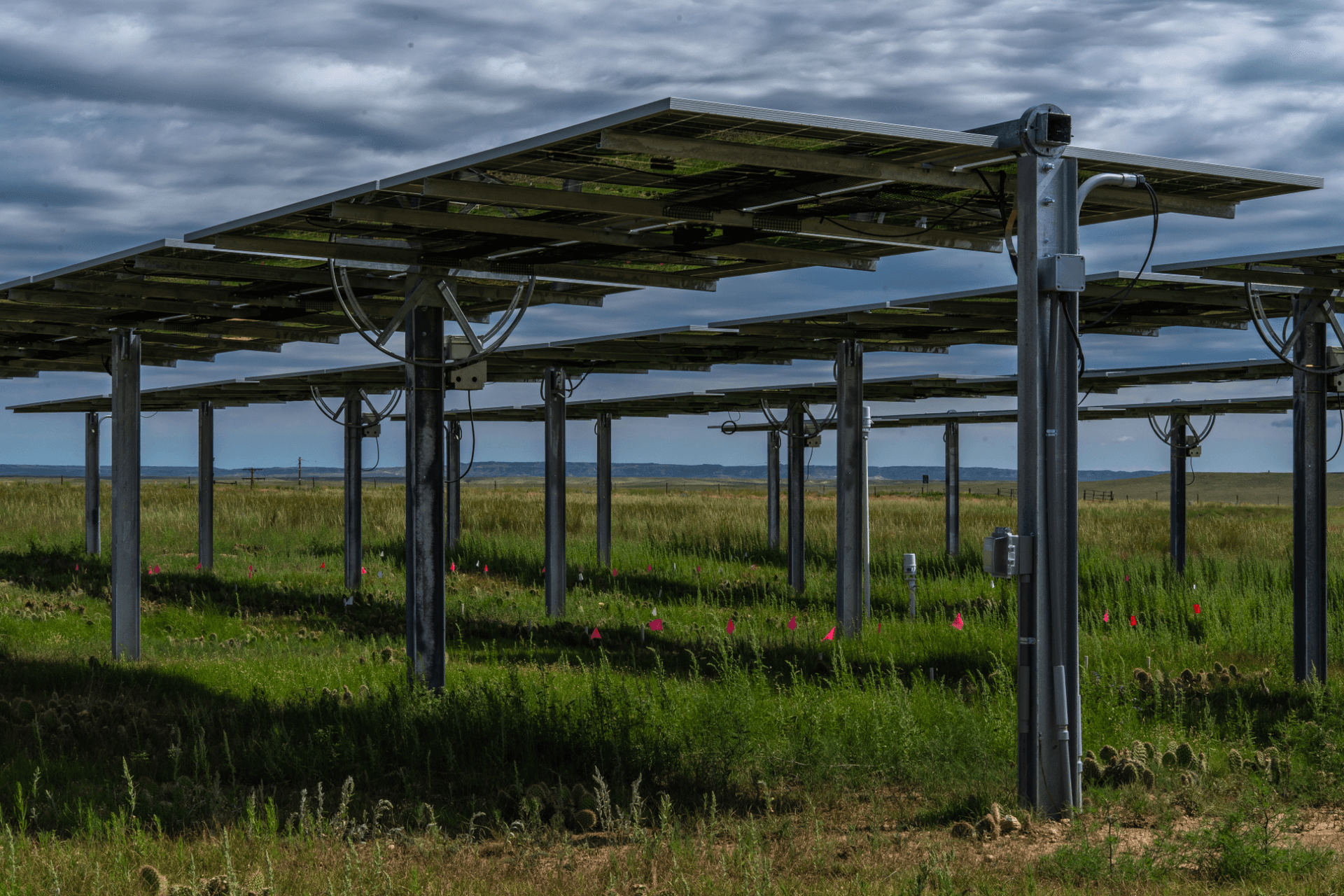
Located in Nunn, Colorado, approximately 16 miles northeast of Fort Collins, Sandbox Solar + engineered and installed a 105.6kW DC array. Designed to mimic typical parameters of large solar facilities, commonly referred to as utility-scale solar farms. The project features SolarGik single axis trackers that can be controlled by the lead researcher, to maximize or minimize the sun exposure underneath the panels. SolarEdge optimizers and inverters allow real time monitoring of the sites' energy generation, allowing the research team to quantify the economic value of the project. 192 Talesun bifacial panels complete this array, collecting energy from both the front and rear sides of the panels. The thoughtful choice of equipment for this project enables ideal conditions for years of upcoming research.
Research Goals
As said best by lead researcher and distinguished professor, Dr. Alan Knapp, this project focuses on the "Co-production of energy generation and ecosystem services". At the array a group of students and researchers are working on a site characterization study to better understand how water is distributed throughout the soil. Soil moisture probes take measurements throughout the site to map the distribution of volumetric water content. Students are also observing how the presence of shade influences the physiology of flowering plants such as the prickly pear cactus (Opuntia macrorhiza). The data collected on site will serve to answer the question posed by Dr. Knapp, "how will a grassland ecosystem respond to shade when used to wall to wall sunshine?". Specifically how the bands of shade will impact the vigor of the shortgrasses and the sustainability of this ecosystem. There is a potential for a portion of the grassland to improve from the presence of the solar array. We hope, "by having flourishing grassland underneath… we think we can change minds… and make the larger community more open to solar expansion," Dr. Alan Knapp.
Watch the video below to hear from the researchers on site!
Spade Agrivoltaic Model
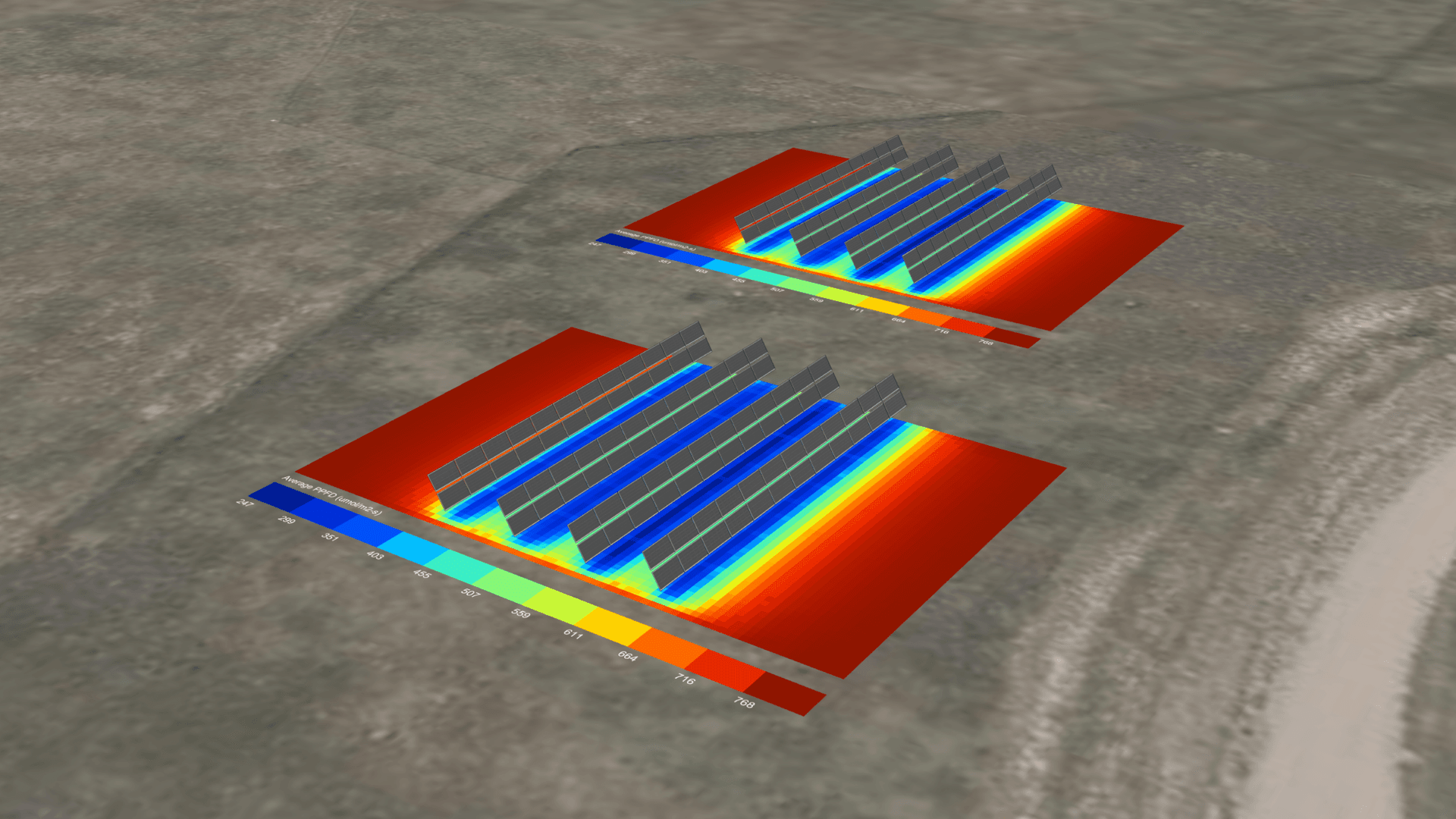
In an effort to better understand shade dynamics underneath solar arrays, Sandbox Solar developed Spade Agrivoltaics, a design and modeling tool to assess the impact and viability of dual-use solar projects before, during, and after project construction. The software begins by running ray-tracing algorithms to quantify and visualize the distribution of shade on the ground surface. The model calculates irradiance (W/m2), Photosynthetic Photon Flux Density (PPFD - µmol/m2/s), and Daily Light Integral (DLI - mol/m2). Irradiance, PPFD, and DLI are different expressions of light quantity. Irradiance is used in the solar industry to determine solar array placement and performance. PPFD and DLI are both used in plant science and controlled environment horticulture to measure and manage light that is available for photosynthesis. We ran a simulation for this project and found a maximum reduction of light by 69%. Meaning that the most shaded area underneath the array will receive 31% of the light that would be available in an open field. Utilizing this data we can model the response of certain crops, such as alfalfa, allowing us to predict changes in crop yield, water savings, and more as informed by the simulated microclimate. Understanding how much light will reach the ground surface is not just an engineering question, yet an ecological one. Spade Agrivoltaics translates solar geometry into ecological relevance.
The Importance of Collaboration
Through the development of this project, ongoing research, and convergent teamwork we hope to demonstrate how solar development can support rather than subtract our efforts in land preservation. We hold our install teams to the highest integrity, ensuring that each install leaves the site as is or in better condition than it was found. We are proud to have fulfilled this mission by leaving minimal disturbance to the native grassland through the avoidance of soil compaction. The research conducted at Colorado State University provides a model for addressing the land-use conflicts of solar development on valuable land. We hope that the continued demonstration at this site will encourage policymakers, developers, landowners, and researchers to understand how thoughtful solar design can enhance our natural ecosystems while energizing local communities.
Citations:
Solar Energy Industries Association & Wood Mackenzie. "Solar Market Insight Report Q3 2025." SEIA, 2025, https://seia.org/research-resources/solar-market-insight-report-q3-2025/
Article by Jack Donovan