Agrivoltaics for Dairies: ‘Milking’ the Benefits of Dual-Use Solar
Exploring why and how agrivoltaics improves operations for dairies.
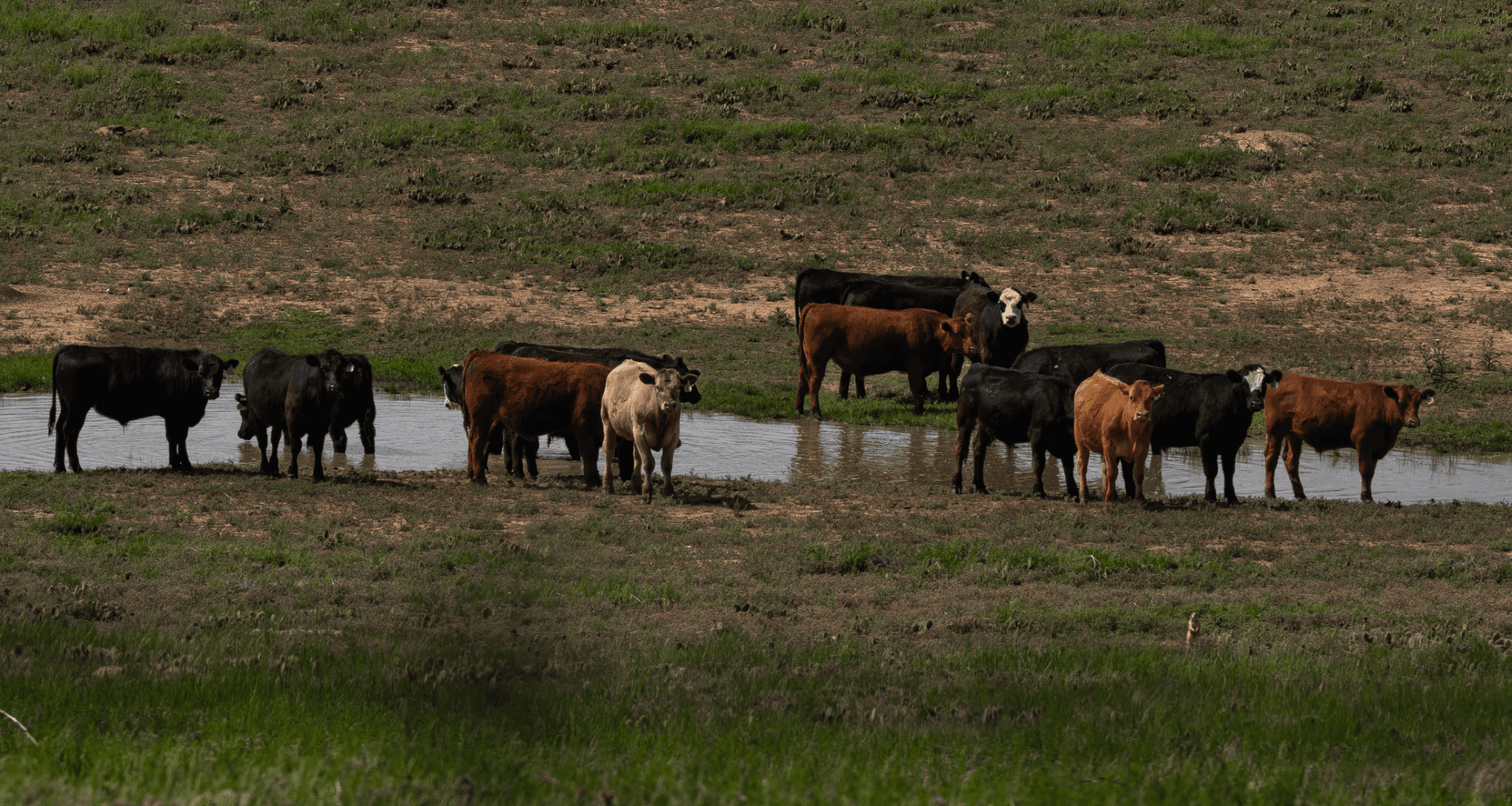
Dairy producers today face a number of challenges, from volatile milk prices to rising input costs and extreme weather events. The economics of the industry are driving consolidation, making it harder for anything other than large-scale operations to stay financially viable. Furthermore, the dairy industry accounts for 4% of global greenhouse gas emissions, highlighting the need for the adoption and implementation of sustainable practices.¹
Although these challenges are varied, they may all benefit from a rapidly growing practice: agrivoltaics.
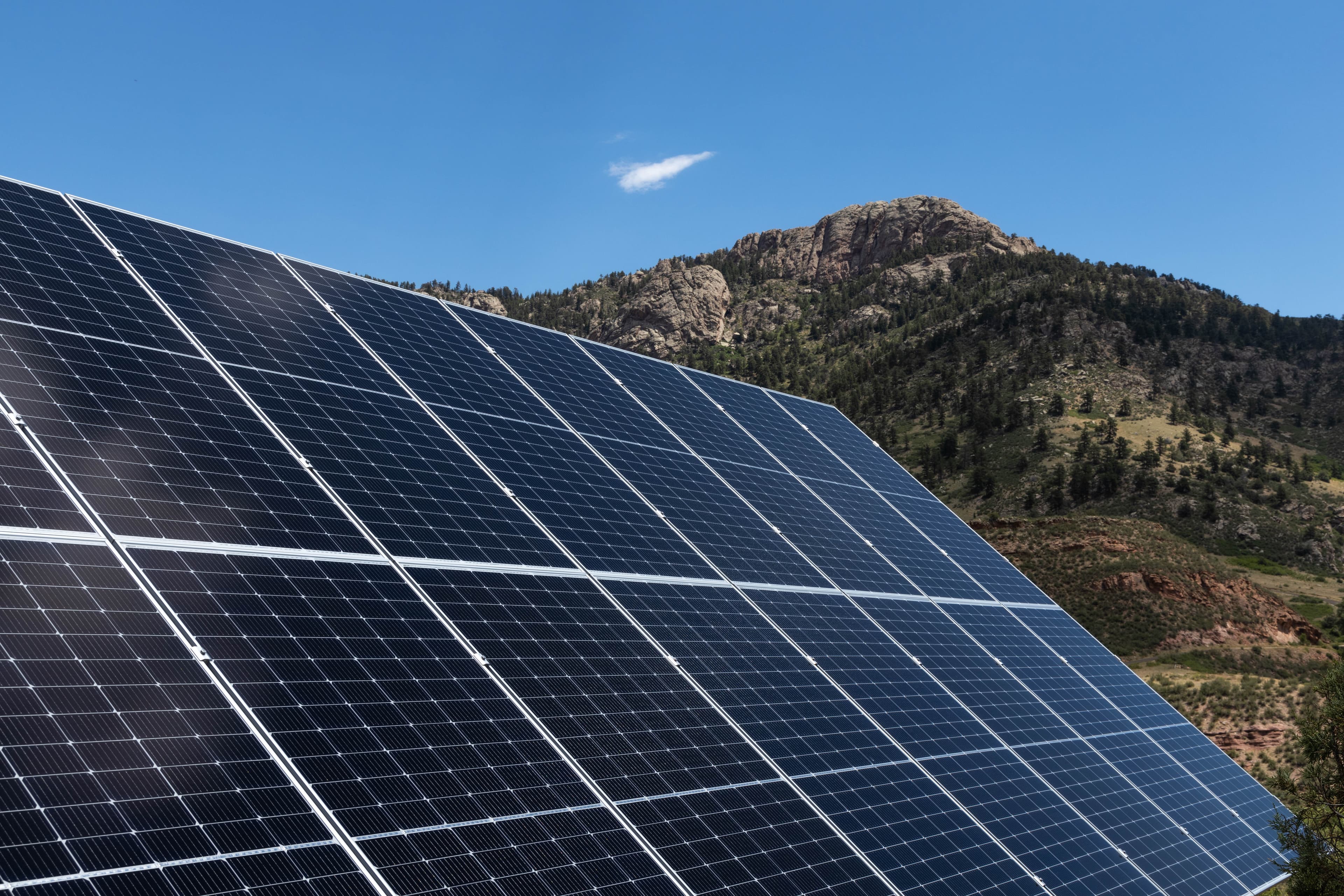
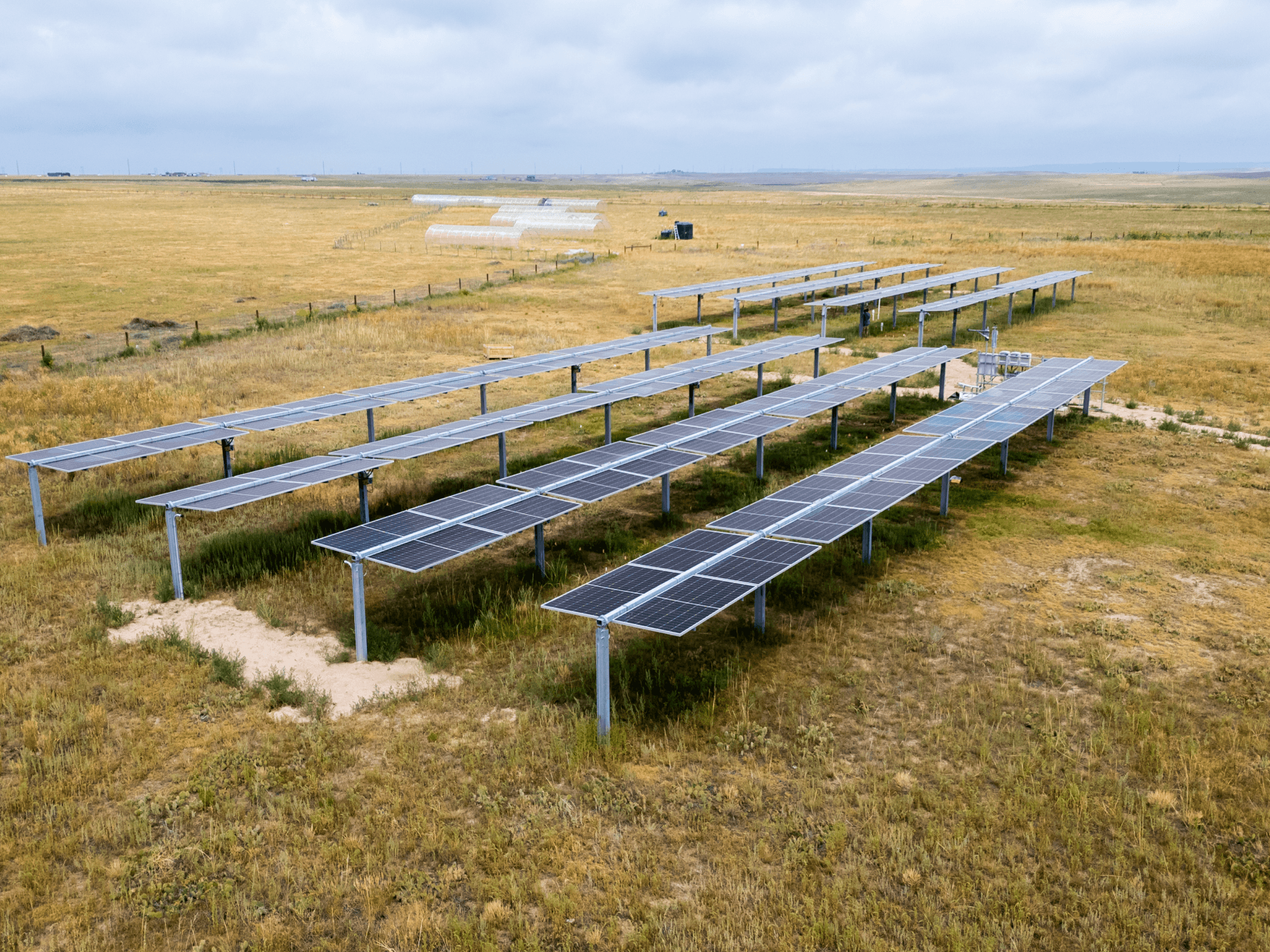
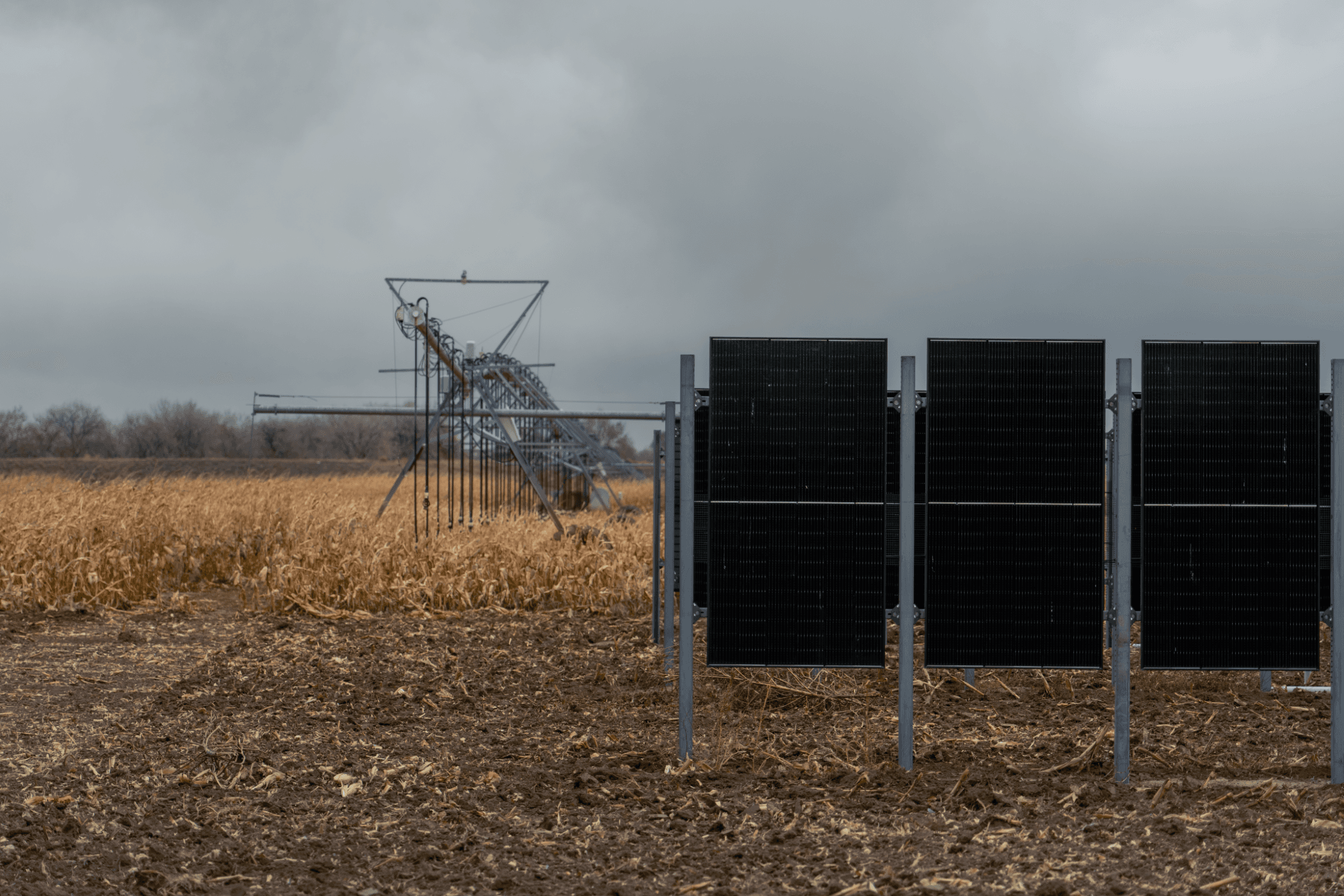
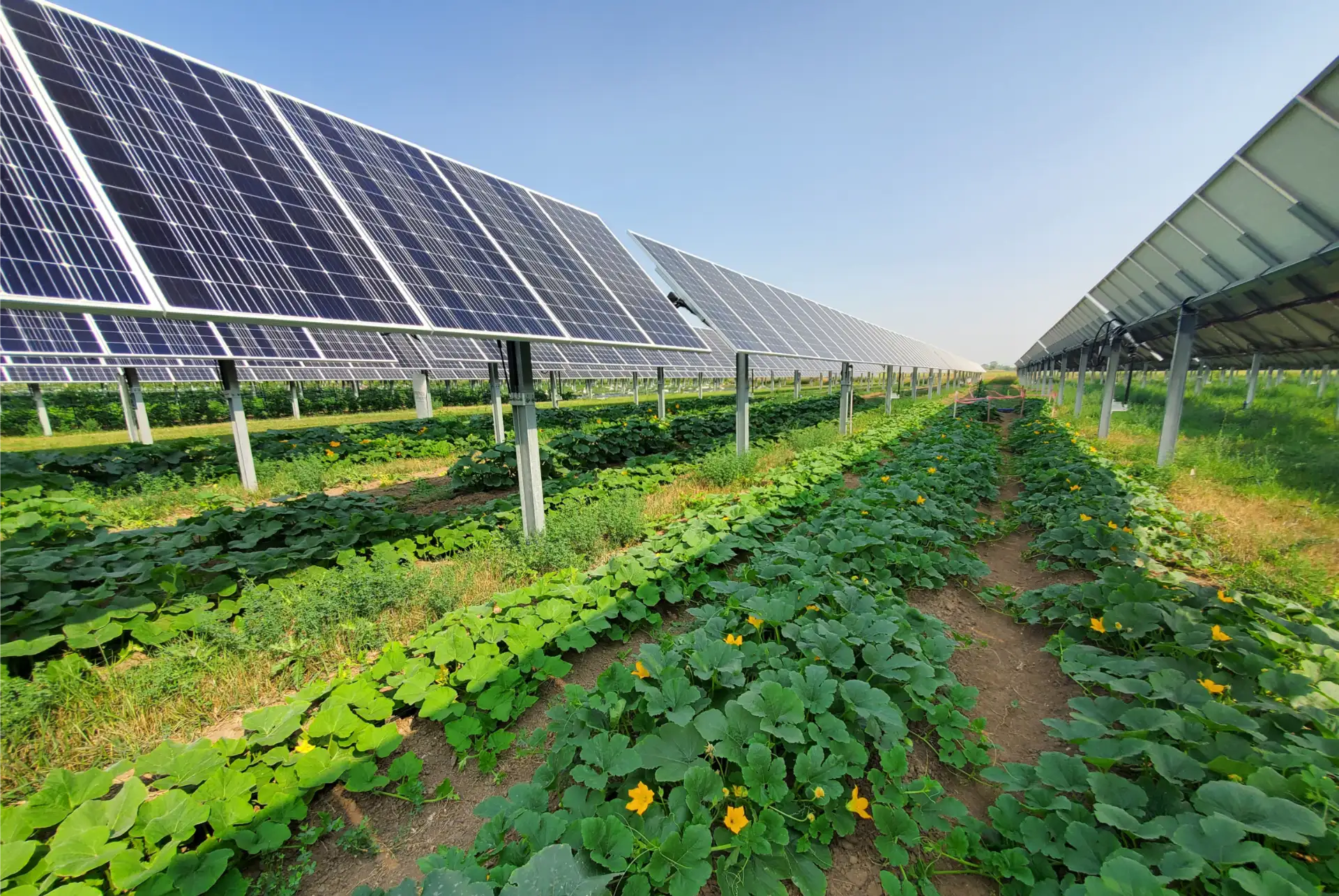
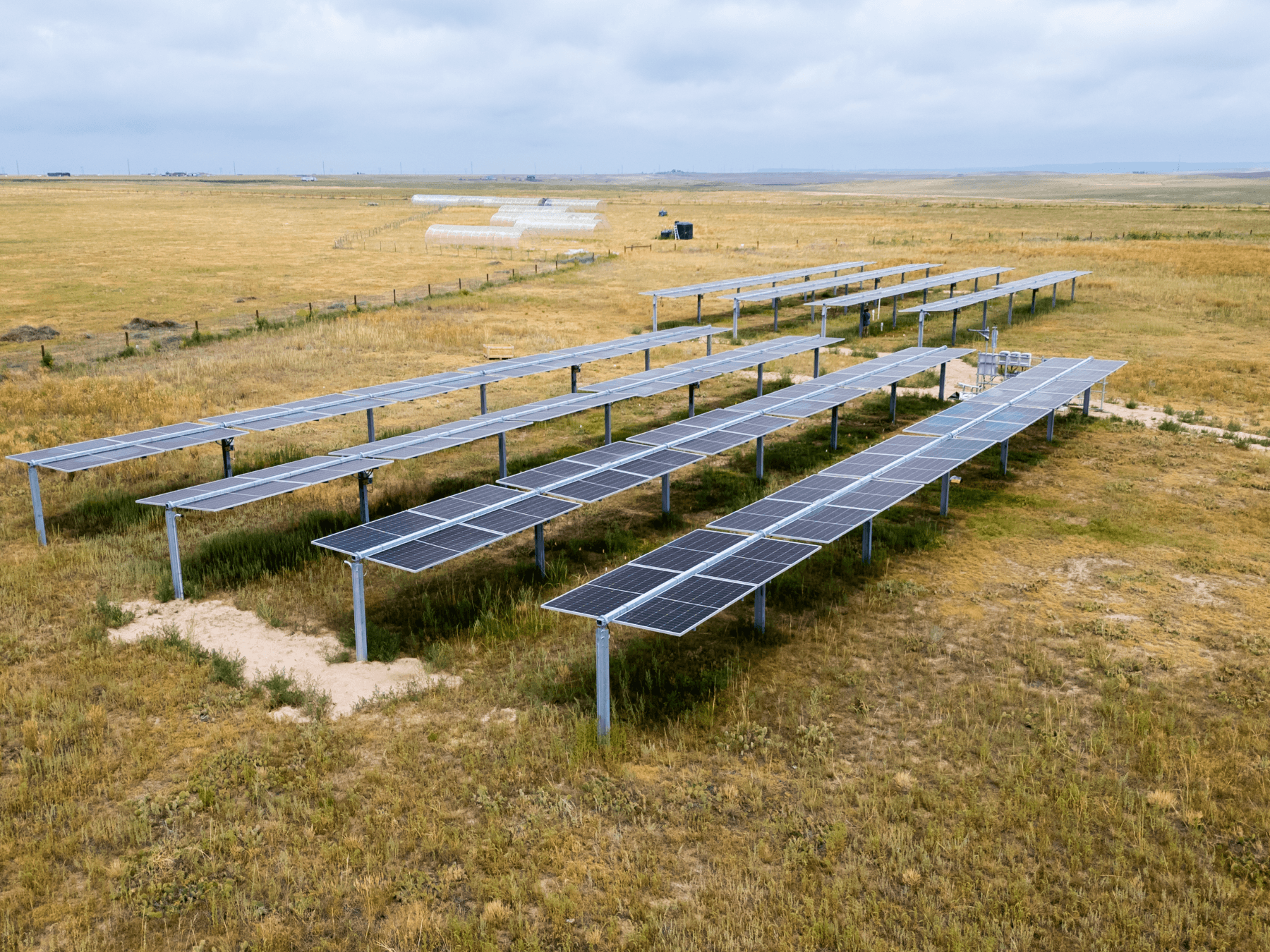
Agrivoltaics, also known as dual-use solar, is the co-location of agriculture and photovoltaics, with the goal of providing mutual benefit for both. In the case of a dairy, this would entail grazing beneath the panels (called “cattle-voltaics”) or growing forage for harvest within the array. In a future blog post, we will dive into your options, such as behind-the-meter (own the solar and save on your electricity bill) vs. front-of-the-meter (long-term lease to a developer to make $200-$2,000/acre per year). Beyond the electricity generated, there are a number of co-benefits and operational improvements from the approach, many of which are uniquely well-suited to dairies.
Why Dairies?
We at Sandbox+ and Spade Agrivoltaics believe that dairies in particular can benefit from dual-use solar for several reasons:
- Significant onsite electricity consumption
- Importance of resiliency and uninterrupted operations
- Demonstrated benefits for animal welfare
- Possible improvements in forage production and water use efficiency
- Future-proofing operations for the next generation
All of this enables dairies, especially those that are pasture-based or grow their own forage, to enhance operations, reduce reliance on utilities and the grid, increase heat abatement for cattle, promote forage growth and protein content (particularly during dry periods), and future-proof their operations in an ever-changing climate.
Onsite Electricity Consumption
Dairies experience significant energy consumption throughout the day due to the milking process and the care of cattle. This may include operating and sterilizing milking equipment, heating and cooling milk, irrigation, and facility ventilation, just to name a few. This energy consumption typically results in hefty utility bills that can be offset by solar. “Locking in” a rate now with solar can also reduce exposure to future rate increases, which we discuss in detail below.
Resiliency and Uninterrupted Operations
Power outages pose a major challenge for many dairy operators, with the potential to result in loss of product via spoilage, cattle discomfort or mastitis, equipment damage, and significantly increased labor. Dual-use solar coupled with battery storage offers an alternative to backup generators that may allow operations to continue during outages in a cleaner, quieter way, with disruption as minor as a flicker of the lights. Additionally, battery storage can help shift consumption away from peak pricing periods and may even be able to lower demand charges, further reducing utility bills. Blackouts in the US are increasing, projected to get worse, and disproportionately impact rural communities.² Here in the Colorado Front Range, Xcel has shut off power for thousands of customers due to high winds twice in just the last month.³ As a result, self-sufficiency will continue to be even more critical for these operations.
Benefits for Animal Welfare
Heat stress is a pressing issue in the dairy industry and is only expected to increase as our climate changes. Studies have found that cattle experiencing heat stress show an increase in respiratory rate, heart rate, susceptibility to disease, and water consumption, accompanied by a decrease in milk production, food consumption, and reproduction.⁴
The benefits of dual-use solar for pasture-based dairy cows have been demonstrated by research at the University of Minnesota. Over a period of four months in the summer of 2019, two groups of cattle experienced either a pasture with shade from a fixed-tilt solar structure or a pasture with no shade. They found that the cattle grazed around an agrivoltaic system had lower respiration rates and lower body temperatures when compared to cattle in an unshaded pasture.⁵ Further, the team hasn’t seen any damage to the solar panels due to cattle activity⁶, something that has also been demonstrated at multiple other grazing + solar sites. Notably, operators have indicated a higher risk from human activity and mowing than from livestock. While the risk always remains, intelligent wire management, fencing, and operations can keep the risk of damage to the solar or cattle near zero.
Current practices to reduce environmental heat stress for cattle include providing selective shade, misting and spraying water on the cattle, and increasing air flow. Typically, these practices are implemented through the use of a canopy structure, coupled with sprinklers and fans. These shade structures, rather than simply being an expense, can serve this purpose while also earning a return on investment. They can also be co-located with grazing, even improving forage production in certain situations.
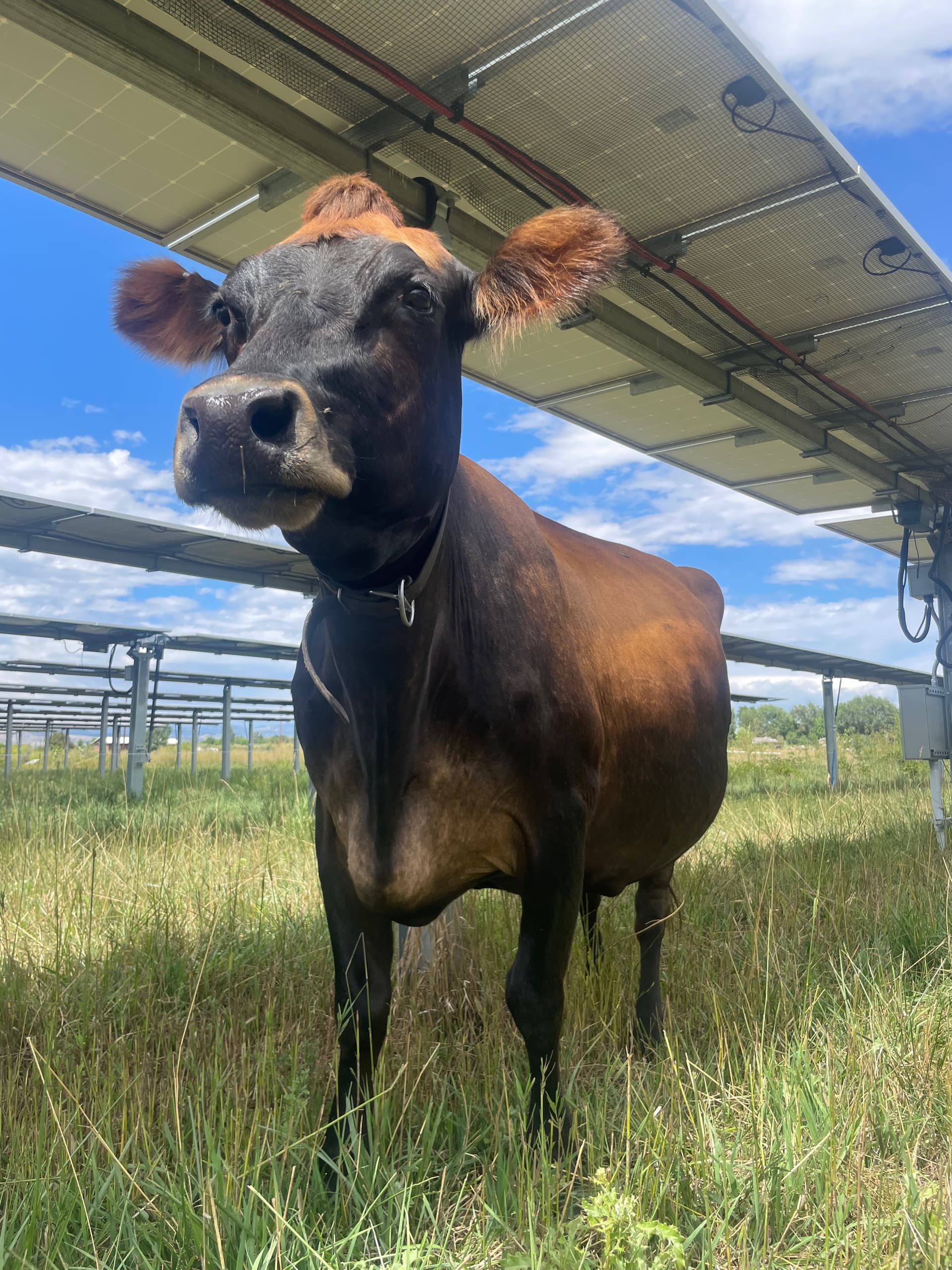
Photo courtesy of Jack’s Solar Garden
Improvements in Forage Production and Water Use Efficiency
Solar holds a unique opportunity to bolster and protect dairy farms for a modern and resilient future. The strategic placement of raised solar panels creates beneficial microclimates for both cattle and forage health. When designed with intention, solar can provide much more than just energy savings, potentially even promoting regenerative or organic practices.
At Colorado State University, ecology teams investigated how a semi-arid grassland underneath an agrivoltaic system responds to simulated grazing. They collected data on aboveground primary production (rate of new growth over time) and forage protein content. They found that forages grown underneath an agrivoltaic system with periodic grazing increased protein content later in the season. In years with low precipitation, the grasses underneath an agrivoltaic system experienced an increase in total yield compared to the unshaded grazed pasture.⁷
Future-Proofing Your Operation
In Colorado, average temperatures and the average price of electricity are both expected to increase significantly, amplifying the importance of the factors mentioned above.
The Colorado Climate Center notes that from 1980 to 2022, annual average temperatures warmed by 2.3℉, and by 2050, they expect warming to increase by 2.5℉ to 5.5℉ compared to a 1971-2000 baseline.⁸ This will likely strain cattle and forage viability, worsen water scarcity, and significantly increase the amount of electricity required for a typical dairy operation - electricity that will get 55% to 72% more expensive in the next three years, according to a state official.⁹ This year alone may see a ~10% increase for both gas and electric rates in Xcel territory, directly impacting local businesses requiring consistent energy.¹⁰
Whether due to tighter financials or extreme weather events, the decision many producers face today could be existential. The silver lining is that agrivoltaics provides the opportunity to protect against both financial hardships and climate change. Sandbox’s goal is to preserve and strengthen farmland and producers, not replace them. Dual-use solar may allow land otherwise at risk of becoming a data center or an Amazon fulfillment warehouse to stay in production well into the future.
Dual-Use Solar for You!
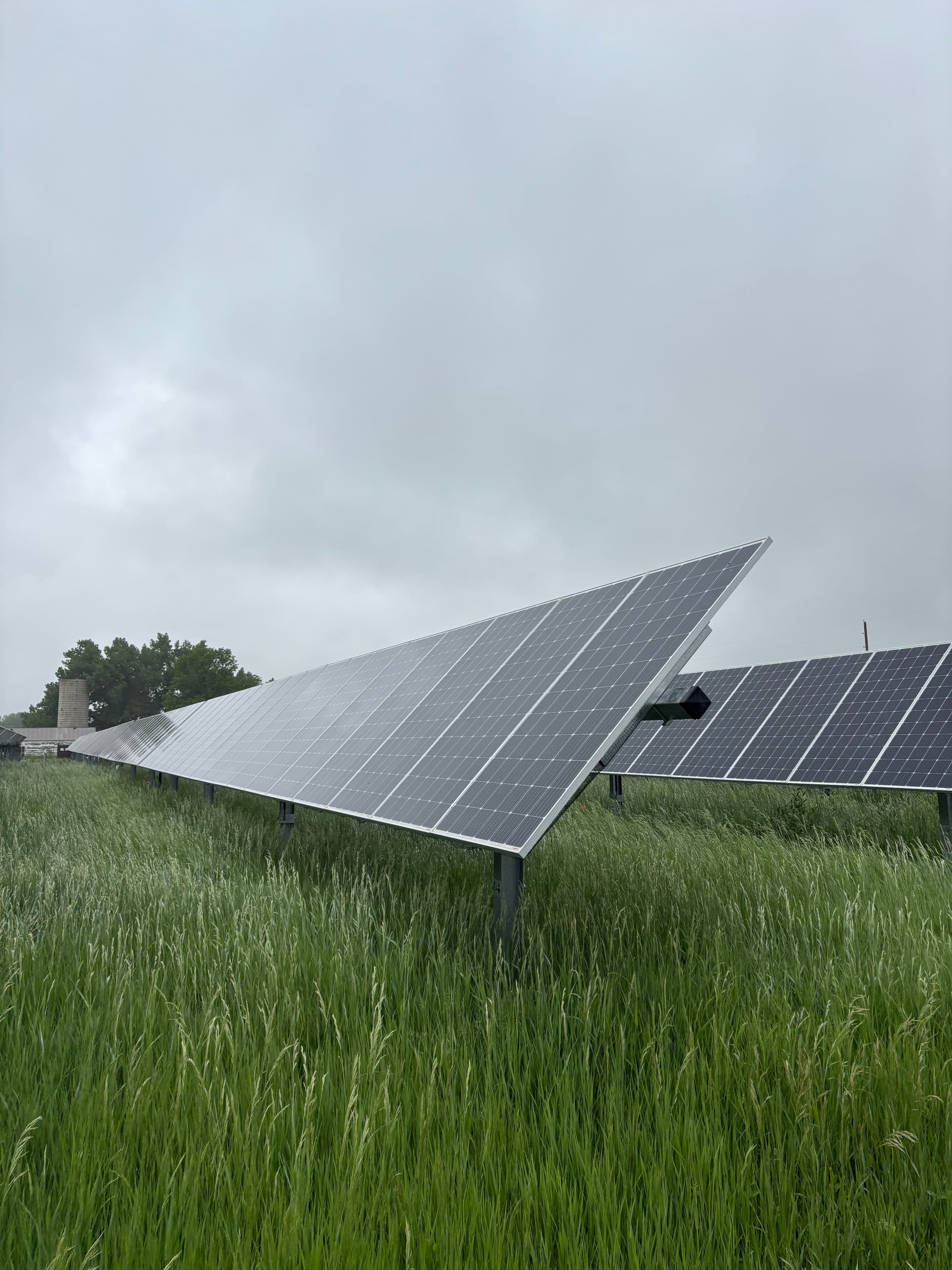
Agrivoltaics requires a thorough understanding of how cattle are managed and interact with their environment. Proper care for the well-being of cattle is more than a moral question - healthier cattle yield healthier economic returns. Improving cattle health can come from many practices, but with agrivoltaics, there's an additional economic return beyond that from improved health. Considering the rising costs of electricity and increased heat stress due to climate change, dual-use solar offers the opportunity for producers to diversify and secure their land's legacy, while maintaining - and potentially even improving - agricultural operations.
Interested in learning more about dual-use solar for your operation? Reach out to us here! We're happy to provide no-obligation quotes, discovery calls, and more.
If you’re on the fence, don’t wait to contact us. Projects that begin construction before July could qualify for a 30% federal tax credit.
Citations
¹A. Singaravadivelan, Patil B Sachin, S Harikumar, P Vijayakumar, M V Vindhya, F M Beegum Farhana, K K Rameesa, and Joseph Mathew. 2023. “Life Cycle Assessment of Greenhouse Gas Emission from the Dairy Production System — Review.” Tropical Animal Health and Production 55 (5). https://doi.org/10.1007/s11250-023-03748-4.
²“Texas A&M Researchers Map America’s Power Outage Hot Spots Using AI.” Tamu.edu. August 14, 2025. https://stories.tamu.edu/news/2025/08/14/texas-am-researchers-map-americas-power-outage-hot-spots-using-ai/.
³Murphy, Alex. 2026. Review of Northern Colorado Seeing Power Outages as Strong Winds Forecast for Friday. Colorado Sun. January 16, 2026. https://coloradosun.com/2026/01/16/northern-colorado-high-winds-power-shutoff-possible/.
⁴Oliveira, Charles Paranhos, Fernanda Campos, Alex Lopes, Érica Beatriz Schultz, Roger Iván, and Pedro Antônio. 2025. “Heat Stress in Dairy Cows: Impacts, Identification, and Mitigation Strategies—a Review.” Animals 15 (2): 249–49. https://doi.org/10.3390/ani15020249.
⁵Heins, Bradley J, Kirsten T Sharpe, Eric S Buchanan, and Michael H Reese. 2022. “Agrivoltaics to Shade Cows in a Pasture-Based Dairy System.” AIP Conference Proceedings, January. https://doi.org/10.1063/5.0103148.
⁶UMN Beef and Dairy. 2025. “Cattle Solar Grazing Research.” YouTube. April 30, 2025. https://www.youtube.com/watch?v=82QHoj2g5F0.
⁷Sturchio, Matthew A, Steven A Kannenberg, and Alan K Knapp. 2024. “Agrivoltaic Arrays Can Maintain Semi-Arid Grassland Productivity and Extend the Seasonality of Forage Quality.” Applied Energy 356 (February): 122418–18. https://doi.org/10.1016/j.apenergy.2023.122418.
⁸“Chapter 2 - Climate Change in Colorado.” n.d. Climatechange.colostate.edu. https://climatechange.colostate.edu/chapters/2_temp_precip.html.
⁹Jaffe, Mark. 2025. Review of Xcel Energy Asks for $356M Rate Increase That Will Boost Colorado Residential Customers’ Bills by about $10. Colorado Sun. November 24, 2025. https://coloradosun.com/2025/11/24/xcel-energy-electricity-rate-hike-energy-assistance-fee/.
¹⁰Jaffe, Mark. 2025. “Here Comes Another Xcel Energy Rate Hike. This Time, the Utility Is Asking to Raise Your Gas Bill.” The Colorado Sun. December 30, 2025. https://coloradosun.com/2025/12/30/xcel-energy-gas-rate-increase-utility-bills/.
Article by Jack Donovan